The 2026 Spring/Summer collection of lace fabrics is now available, with free nationwide delivery. For more details, please contact our online customer service or call:13632121028

Search
27
2023-04
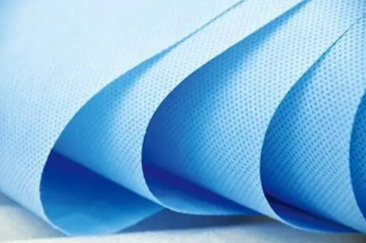
Non-toxic and odorless, with highly effective microbial barrier properties. Specialized processing of the material imparts antistatic, alcohol-resistant, plasma-resistant, water-repellent, and water-generating characteristics.
27
2023-04
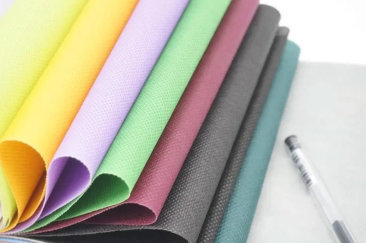
Excellent softness; non-toxic, antibacterial, and corrosion-resistant; good breathability and water resistance; high tensile strength and elongation; outstanding processing performance and thermal stability.
27
2023-04
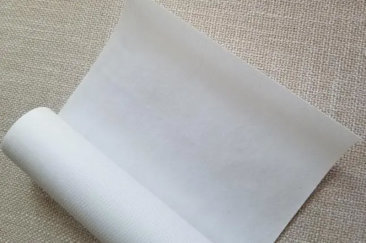
Meltblown nonwoven fabric is a type of ultra-fine fiber nonwoven produced by high-velocity hot-air drawing; the fiber diameter is approximately 2 microns, making it the finest among all fibers. Owing to its unique structure and the use of polypropylene as the raw material, meltblown nonwoven fabric exhibits excellent water resistance and breathability, high filtration efficiency, and a combination of functions such as bacterial barrier, toxin filtration, thermal insulation, heat retention, electrical insulation, non-toxicity, and non-irritancy.
27
2023-04
Characteristics of Nonwoven Fabric
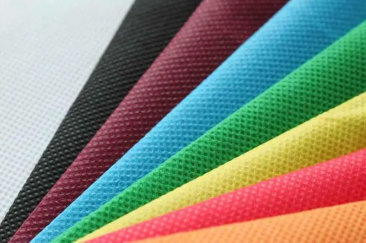
1. Lightweight: Made primarily from polypropylene resin, it has a specific gravity of only 0.9—just three-fifths that of cotton—resulting in a fluffy texture and a pleasant hand feel. 2. Softness: Composed of fine fibers (2–3 denier) and formed through light-point heat-melt bonding, the finished product exhibits moderate softness and exceptional comfort.
27
2023-04
Non-woven wallpaper: eco-friendly and stylish
To meet market demands, several Japanese companies have developed a new type of nonwoven wallpaper that helps prevent “new-home syndrome.” This wallpaper is made by sandwiching a layer of nonwoven fabric between a backing paper and a highly breathable textile. The embedded nonwoven layer contains special additives that can absorb harmful chemical compounds from indoor air, inhibit the growth of mold and pests, and deliver outstanding mold-resistant and deodorizing performance.

27
2023-04
Main applications of polyester filament spunbond thermally bonded nonwoven fabric
1. Drainage board: The filter membrane used in the fabrication of drainage boards for soft-ground treatment features a high permeability coefficient, high tensile and compressive strength, and excellent soil-separating performance.

27
2023-04
The process of flame retardancy in polyester fibers
Flame retardancy of polyester fibers is typically achieved through two main steps: first, selecting and developing high-performance flame retardants; second, incorporating these retardants into the fiber-spinning raw materials via physical or chemical methods to ensure their robust and uniform distribution throughout the fiber, while minimizing any adverse impact on the fiber’s physical and mechanical properties.

27
2023-04
Brief Overview of Flame-Retardant Synthetic Fibers
In recent years, China has increasingly invested in the research, development, and application of flame-retardant fibers, achieving substantial progress. With the accelerated pace of urban modernization, the growth of tourism and transportation, and rising demand for export markets, flame-retardant fiber products now boast a vast untapped market potential. According to surveys, consumption of flame-retardant products is concentrated primarily in industries such as steel casting, fire protection services, and chemical manufacturing; government entities—including hospitals, the military, and forest firefighting services—also represent significant end-users. Beyond apparel, flame-retardant textiles for automobiles, trains, and aircraft hold equally promising prospects.

27
2023-04
Concept and Characteristics of Nonwoven Fabrics
Nonwoven fabric, also known as spunbond fabric, is a new-generation eco-friendly material characterized by water repellency, breathability, flexibility, non-combustibility, non-toxicity, non-irritancy, and a wide range of colors. When exposed outdoors, it undergoes natural biodegradation within a maximum of 90 days; when kept indoors, it degrades within five years. Moreover, it is non-toxic and odorless upon combustion, leaving no residual substances, thereby causing no environmental pollution—hence its environmentally friendly nature. It is also suitable for washing and other similar applications.


